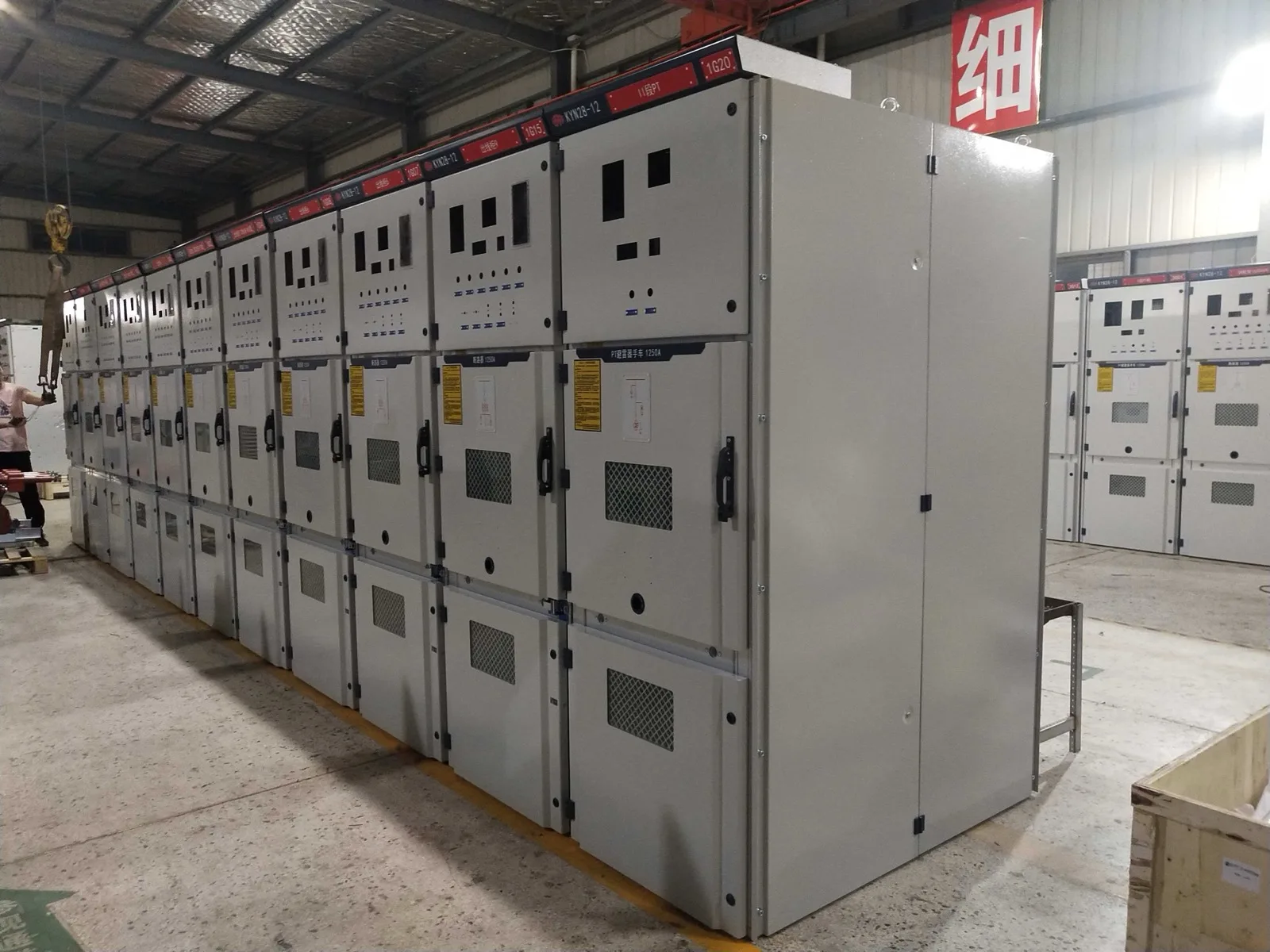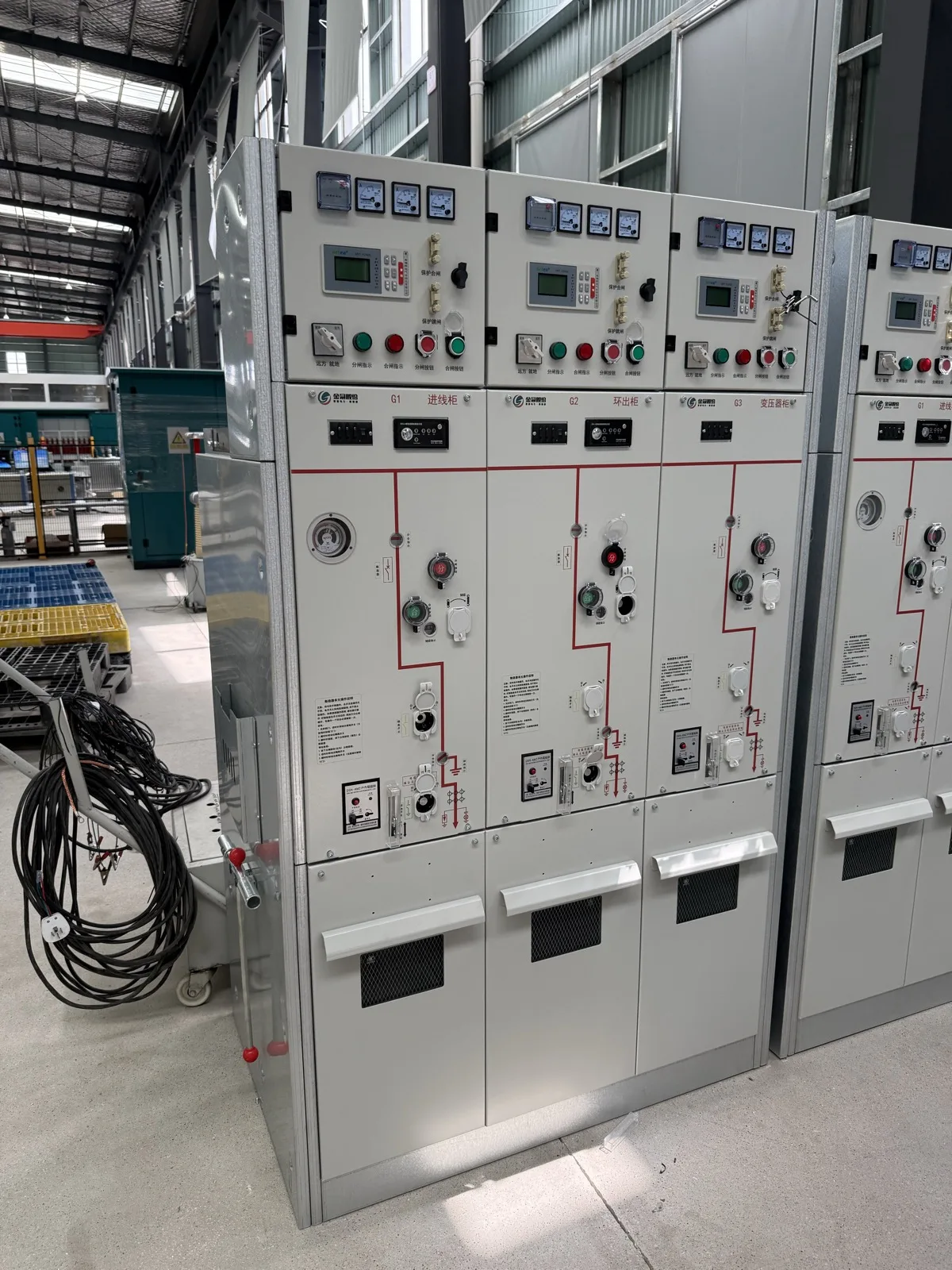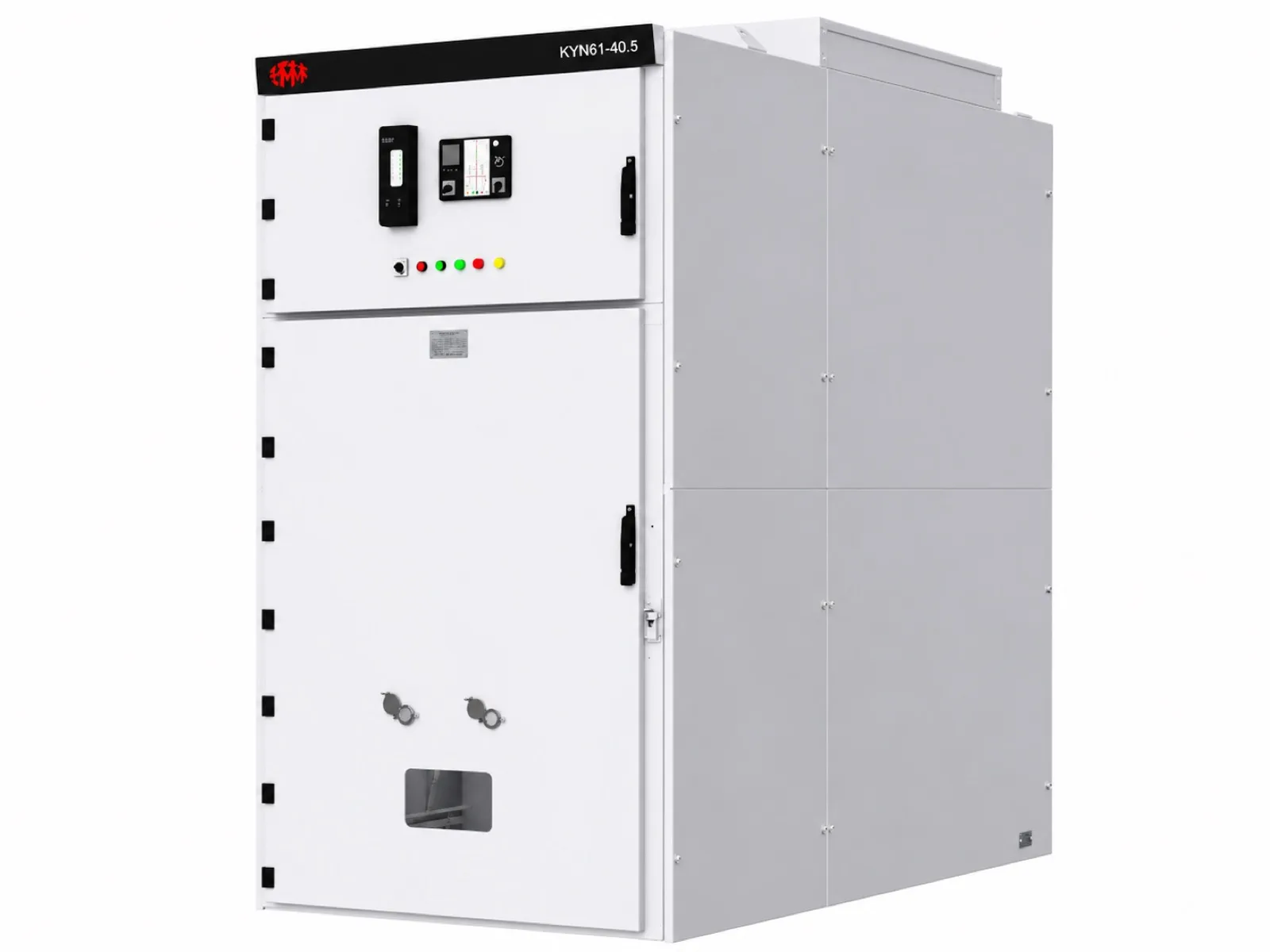
The Ultimate Guide to Low Voltage Switchgear Components
A complete guide to low voltage switchgear components — what goes inside an LV panel, how to read an LV switchgear diagram and datasheet, applications and benefits, how to choose a manufacturer, and maintenance and safety essentials.
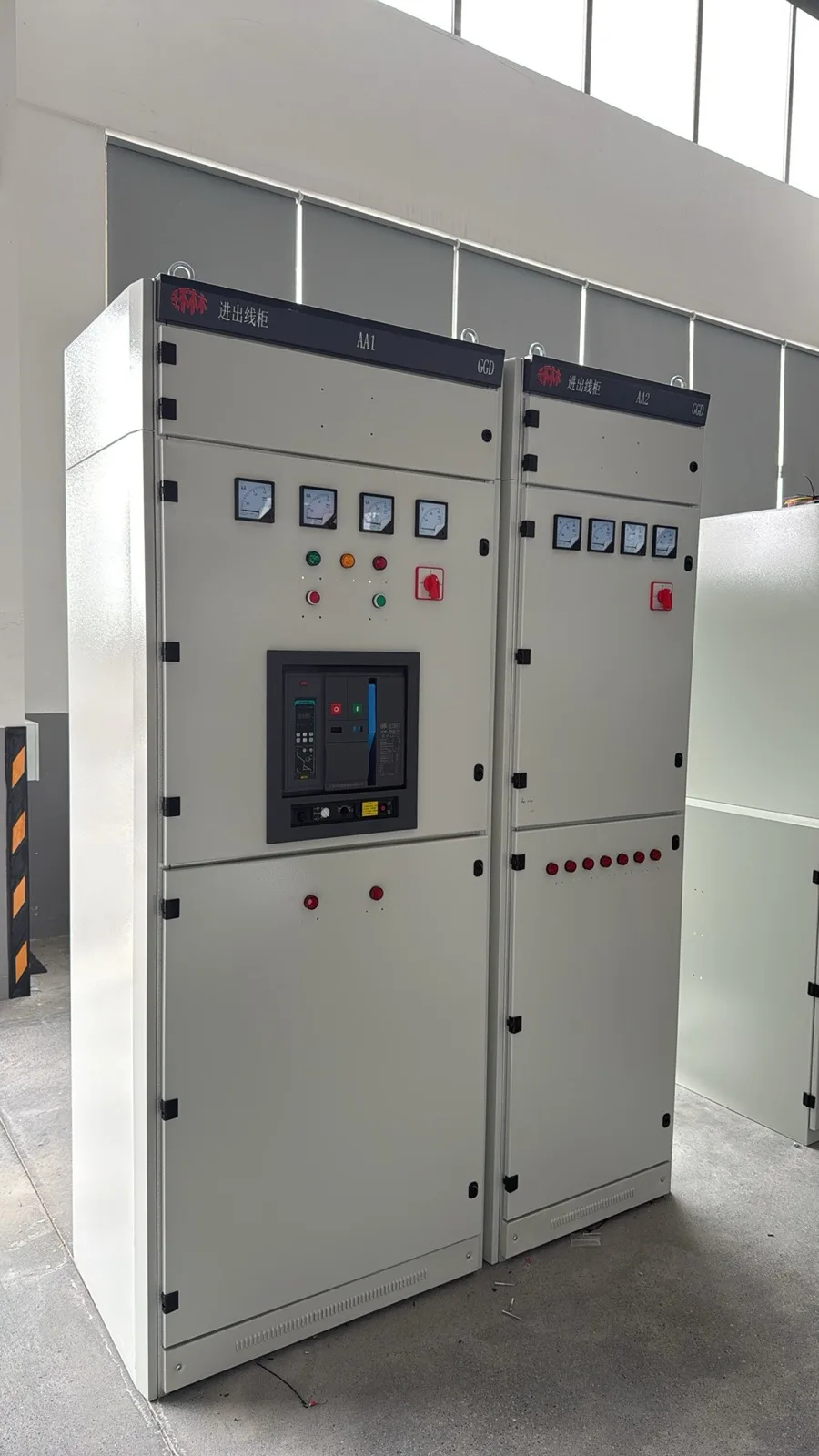
Low voltage (LV) switchgear — the assembly that distributes power at up to 1000 V AC to final circuits, motors and controls — is built up from a set of well-defined components. Knowing what each one does makes it far easier to read an LV panel datasheet or diagram, specify the right board, and maintain it safely. This guide covers the key components of an LV switchgear panel, how to read the diagram and datasheet, applications and benefits, how to choose a manufacturer, and maintenance essentials.
Key Components of Low Voltage Switchgear Panels
- Incoming device — the main air circuit breaker (ACB) or moulded-case circuit breaker (MCCB) controlling the supply into the board.
- Busbars — the main copper (or aluminium) conductors distributing current to the outgoing ways.
- Outgoing devices — MCCBs, MCBs or fuse-switches protecting each outgoing circuit.
- Motor control gear — contactors, overload relays and starters (or VFDs/soft starters) in motor control centers (MCCs).
- Measuring and protection — CTs, meters, protection relays and power-quality devices.
- Power factor correction — capacitor banks and controllers (in compensation boards).
- Control and auxiliary wiring — control circuits, indication lamps, and the low-voltage compartment.
- Enclosure and forms of separation — sheet-steel cubicles with Form 1–4 internal separation and an IP rating.
Understanding Low Voltage Switchgear Diagrams
An LV switchgear diagram is typically a single-line diagram showing the incoming supply at the top, the main busbar across the board, and each outgoing way branching off with its protective device, metering and load. Reading it left-to-right and top-to-bottom tells you the power flow: incomer → main busbar → outgoing breakers → loads. The diagram also shows interlocks, bus-section (tie) breakers and any standby/changeover arrangement. It is the reference for the protection scheme and the operating procedure.
How to Read a Low Voltage Switchgear Datasheet
- Rated voltage and frequency — e.g. 400/415 V, 50 Hz.
- Rated current of the busbar (Inc) and of each incomer/outgoing way.
- Short-circuit ratings — rated short-time withstand (Icw) and peak (Ipk) current.
- Form of internal separation — Form 1 to Form 4.
- Ingress protection (IP) class and the standard (IEC 61439-1/-2).
- Type-test / design-verification evidence for each rating.
Applications and Benefits of Low Voltage Switchgear Products
- Main LV distribution boards in commercial buildings, hospitals, data centers and airports.
- Industrial power and motor control centers (MCCs) in manufacturing and process plants.
- Power distribution in renewable plants and packaged substations.
- Benefits: safe distribution and protection, selective fault clearing, maintainability (withdrawable designs), and scalability for future loads.
Choosing Low Voltage Switchgear Manufacturers
- Confirm IEC 61439 design verification (type-tested assemblies), not just loose components.
- Match the product range to the need — withdrawable (MNS), fixed (GGD), compensation (GGJ) and modular (BLOKSET) platforms.
- Check ratings, form of separation options and short-circuit withstand against your specification.
- Assess manufacturing quality, export experience and after-sales support.
- Request the full datasheets and type-test reports before purchase.
Maintenance and Safety Tips
- De-energize, isolate, test and earth before any work; follow lockout/tagout.
- Thermographic surveys to find loose or overheating connections.
- Check torque on busbar and cable terminations and verify earthing continuity.
- Test breaker operation, protection settings and interlocks periodically.
- Keep the enclosure clean and confirm the IP integrity and ventilation.
Frequently Asked Questions
What is low voltage switchgear? It is the assembly of circuit breakers, busbars, protective and control devices that distributes and protects electrical circuits at up to 1000 V AC, built and verified to IEC 61439.
What are the main components of an LV switchgear panel? An incoming breaker (ACB/MCCB), busbars, outgoing protective devices, metering and protection (CTs, relays), any motor-control or power-factor gear, control wiring and the steel enclosure with its form of separation.
What is the form of separation in LV switchgear? It is the level of internal compartmentalization (Form 1 to Form 4) defined by IEC 61439, determining how busbars, devices and terminals are segregated for safety and maintainability.
Conclusion
Understanding the components of an LV switchgear panel — the incomer, busbars, outgoing devices, protection and the form of separation — makes specifying, reading and maintaining the board straightforward. HARRL manufactures type-tested low voltage switchgear to IEC 61439 across withdrawable (MNS), fixed (GGD), compensation (GGJ) and modular (BLOKSET) platforms. Send us your load schedule and our engineers will help you specify a compliant board.