Medium Voltage Switchgear Design: A Technical Overview
A technical overview of medium voltage switchgear design — the key components and their functions, the governing standards, common configurations and single-line layouts, how to read an MV switchgear diagram, applications, a neutral look at leading brands, and maintenance essentials.
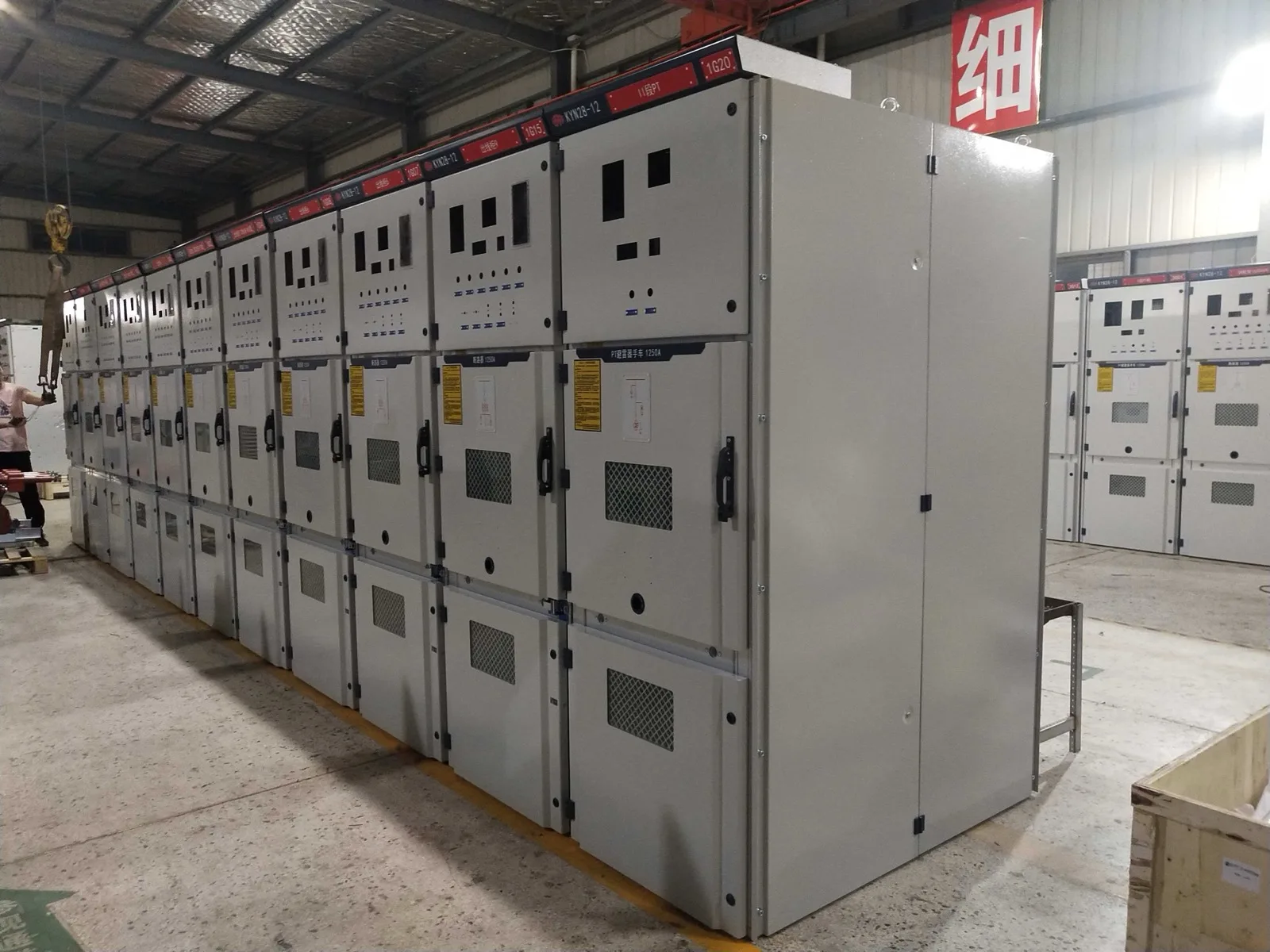
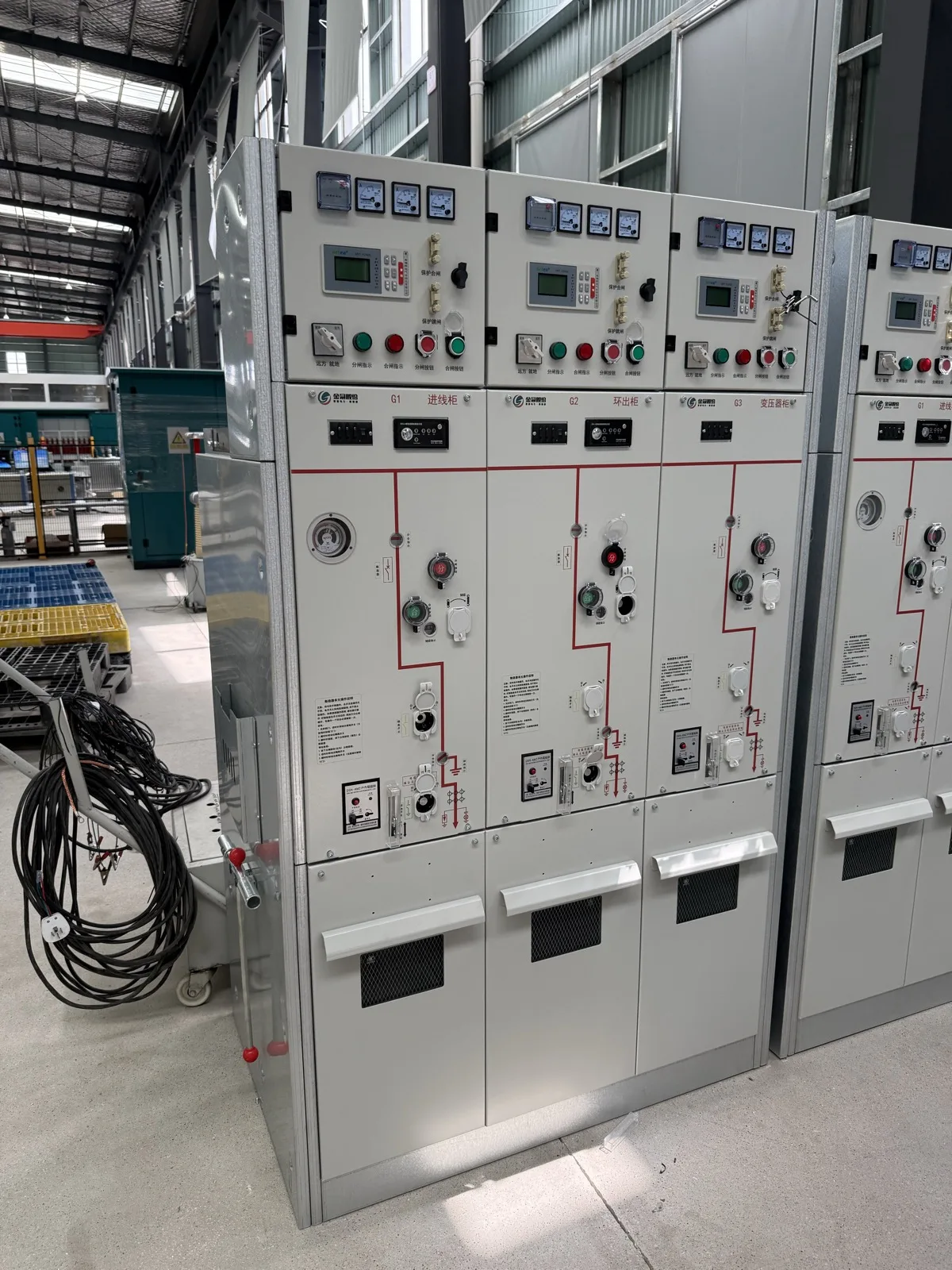
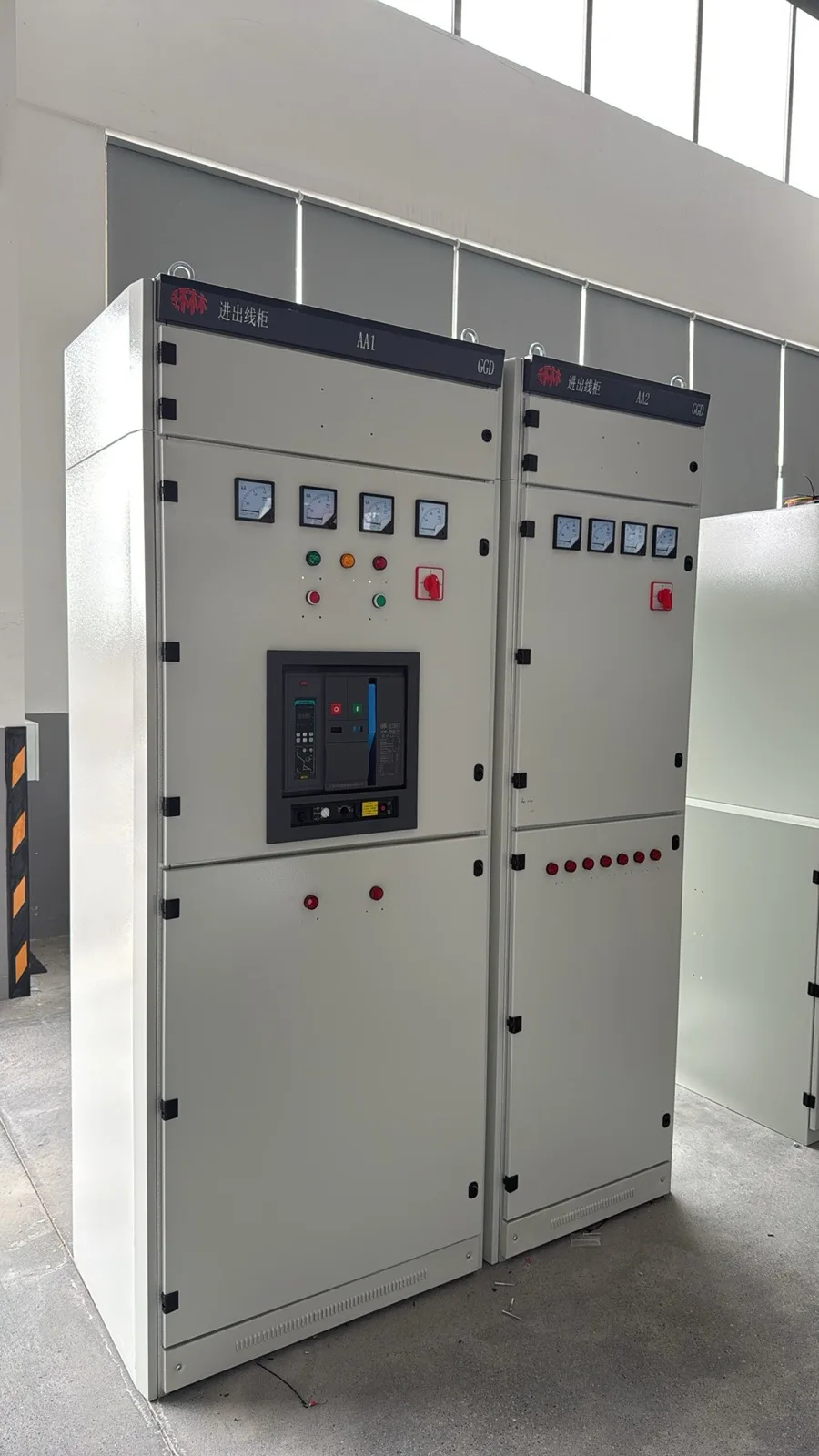
Medium voltage (MV) switchgear — covering the 1 kV to 52 kV range — is the equipment that controls, protects and isolates the circuits of a primary distribution network. Designing it well means balancing electrical ratings, safety, footprint, service continuity and cost while meeting international standards. This overview walks through the components, the governing standards, common configurations and single-line layouts, how to read an MV switchgear diagram, and the maintenance practices that keep it reliable.
Key Components and Functions
- Circuit breaker — makes and breaks load current and interrupts fault current (vacuum is standard for indoor MV).
- Busbars — the main three-phase conductors distributing power between incoming and outgoing panels.
- Disconnector / isolator and earthing switch — provide safe isolation and earthing for maintenance.
- Current and voltage transformers (CTs / VTs) — scale primary quantities for metering and protection.
- Protection relays — numerical (IED) relays that detect faults and trip the breaker.
- Shutters and interlocks — automatic metal shutters over live spouts and a five-prevention interlock sequence.
- Cable termination compartment — incoming/outgoing cables, surge arresters and earthing.
Design Principles and Standards
MV switchgear design starts from the network parameters — rated voltage, continuous current, short-circuit withstand and internal-arc level — and is verified against international standards:
- IEC 62271-200
- AC metal-enclosed switchgear and controlgear for 1 kV to 52 kV
- IEC 62271-1 / -100
- Common clauses and high-voltage AC circuit breakers
- Loss of Service Continuity (LSC)
- LSC1 / LSC2 / LSC2B — how much stays energized during maintenance
- Internal Arc Classification (IAC)
- IAC A-FLR with a rated arc current and duration (e.g. 31.5 kA / 1 s)
- Partition Class
- PM (metal partitions) vs PI (insulating partitions) between compartments
Common Configurations and Layouts
- Single busbar — the simplest and most economical; one busbar feeds all circuits.
- Single busbar with bus section — a tie breaker splits the busbar so half can be maintained while the other half runs.
- Double busbar — two busbars for flexible switching and high service continuity in critical networks.
- Incomer / feeder / bus-coupler panels — the standard panel types combined into a lineup per the single-line diagram.
Medium Voltage Switchgear Diagram Explained
An MV switchgear diagram is usually a single-line diagram (SLD): one line represents all three phases, and standard symbols show the sequence of devices in each panel — from the busbar down through the disconnector, circuit breaker, CT, earthing switch and cable termination. Reading a panel top to bottom tells you the order of isolation and switching: busbar → breaker (with its disconnecting/withdrawable contacts) → CTs → earthing switch → outgoing cable. The SLD is the master reference for protection settings, interlock logic and operating procedures.
Applications in Power Distribution Systems
- Utility primary and secondary distribution substations
- Industrial plant intake and main distribution (steel, cement, mining, petrochemical)
- Renewable collector and step-up substations for solar and wind
- Data centers, hospitals, airports and other critical infrastructure
A Note on Leading Brands
The global MV switchgear market includes established brands such as Schneider Electric, ABB, Siemens and Eaton, alongside specialist manufacturers like HARRL. Because all compliant switchgear is built to the same IEC 62271 framework, the meaningful comparison is not the badge but the verified ratings, the loss-of-service-continuity and internal-arc classes, the quality of the type-test evidence, and the engineering and after-sales support behind the product. When you evaluate any brand, ask for the full type-test reports and confirm each rating against your single-line diagram and fault levels.
Maintenance and Safety Considerations
- Always follow isolate–test–earth and never bypass the mechanical interlocks.
- Periodically check contact resistance, vacuum-interrupter integrity and shutter/interlock function.
- Keep insulating surfaces clean and verify earthing continuity across all compartments.
- Observe arc-flash PPE and pressure-relief routing requirements.
- Trend test results over time to catch degradation before failure.
Conclusion
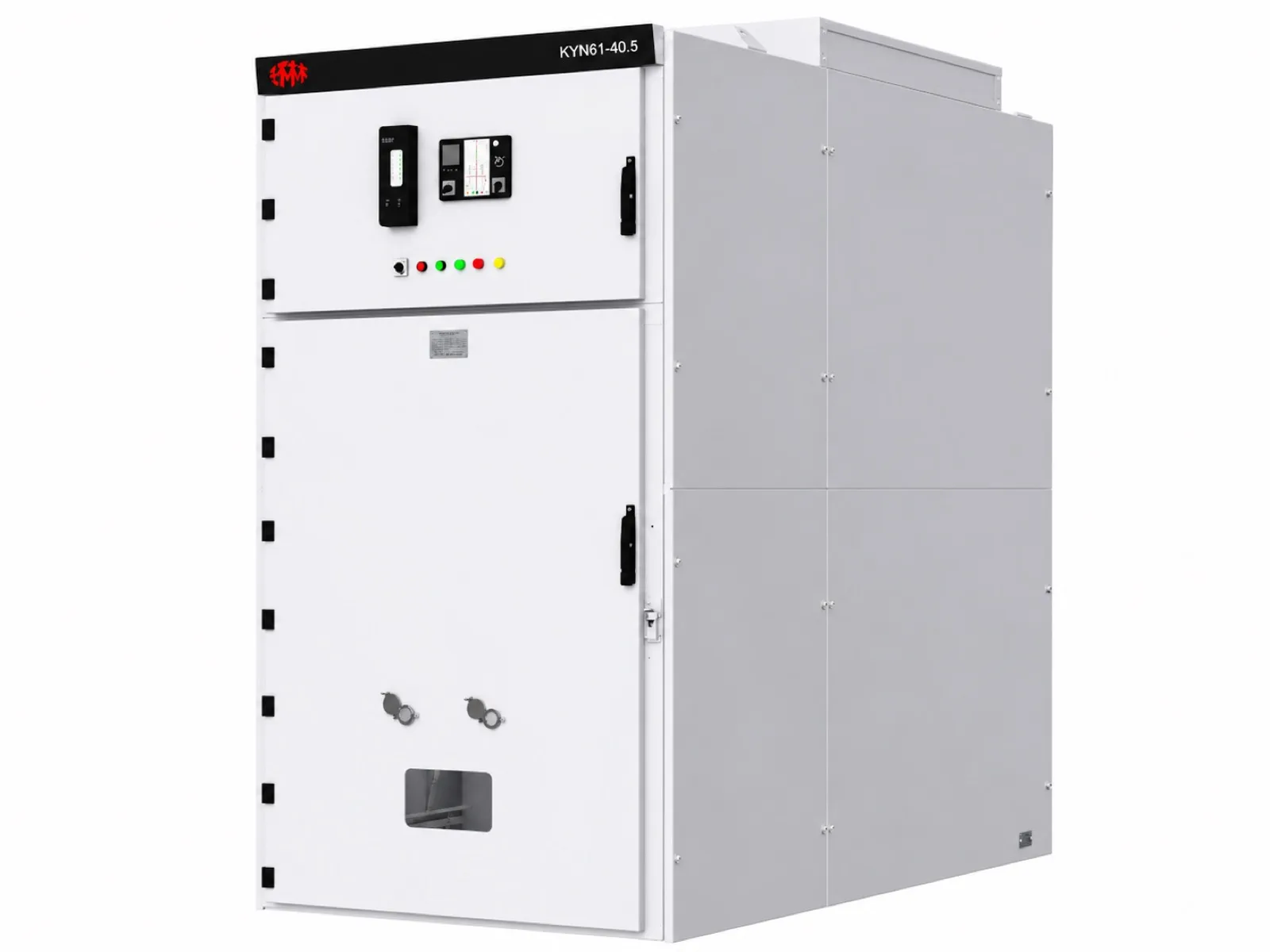
Good MV switchgear design comes down to verified ratings, the right configuration and separation, coordinated protection and full IEC 62271-200 compliance — documented on a clear single-line diagram. HARRL manufactures metal-clad air-insulated MV switchgear across the 12 / 24 / 40.5 kV classes (the KYN series) with full type-test documentation. Share your single-line diagram and fault levels and our engineers will help you specify a compliant lineup.