Switchgear vs Ring Main Unit (RMU): Key Differences and Applications
Switchgear and ring main units both control medium voltage circuits, but they solve different problems. This guide explains what each is, the key differences, an 11 kV RMU diagram and its components, and how to choose the right equipment for your project.
"Switchgear" and "ring main unit" are often mentioned in the same breath, and an RMU is in fact a type of switchgear — but they are specified for different roles in a medium voltage network. Understanding the difference helps you avoid over-specifying an expensive metal-clad panel where a compact RMU would do, or under-specifying where full protection and service continuity are essential. This guide explains both, contrasts them, shows an 11 kV RMU diagram, and helps you choose.
What Is Switchgear?
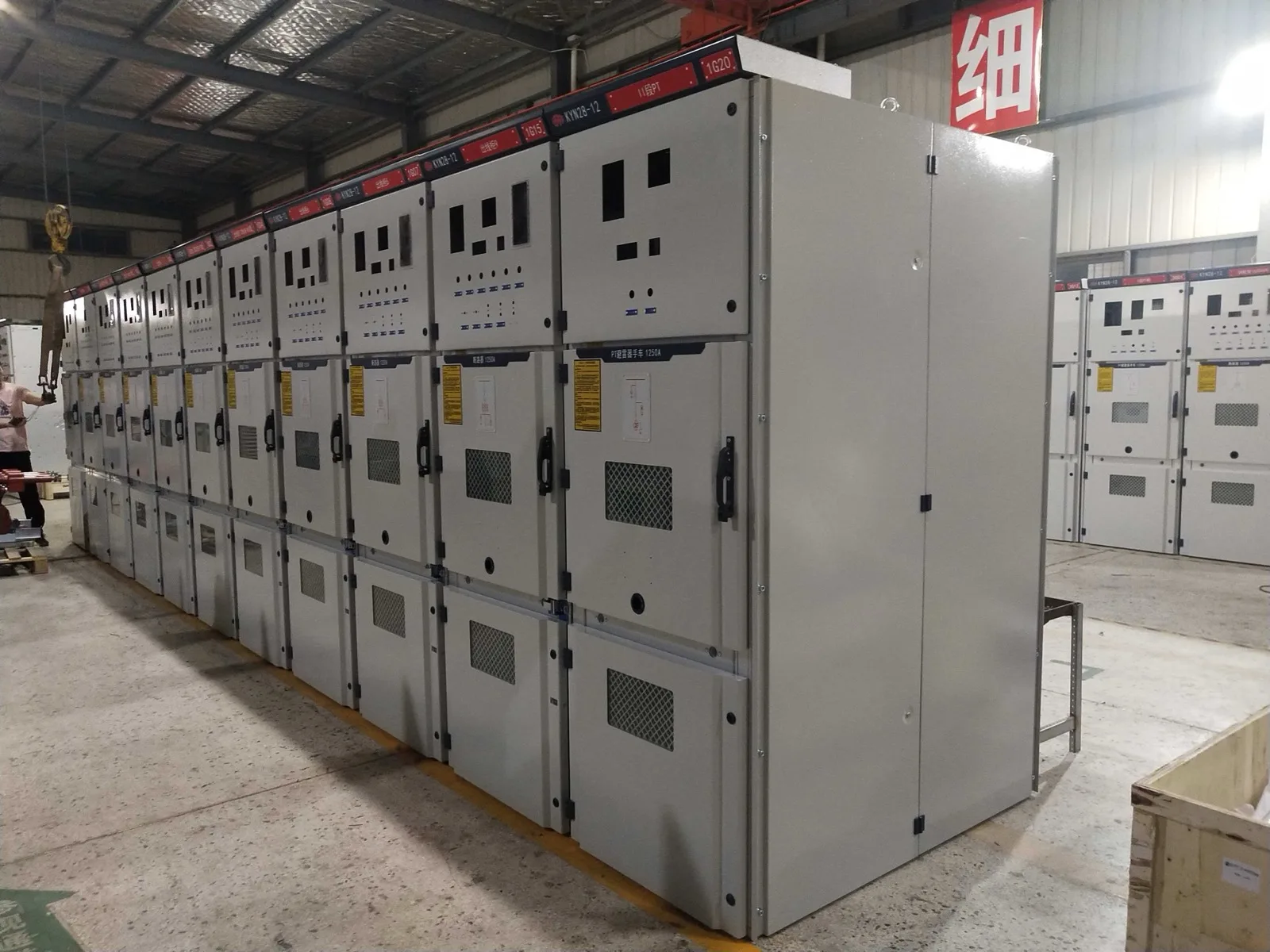
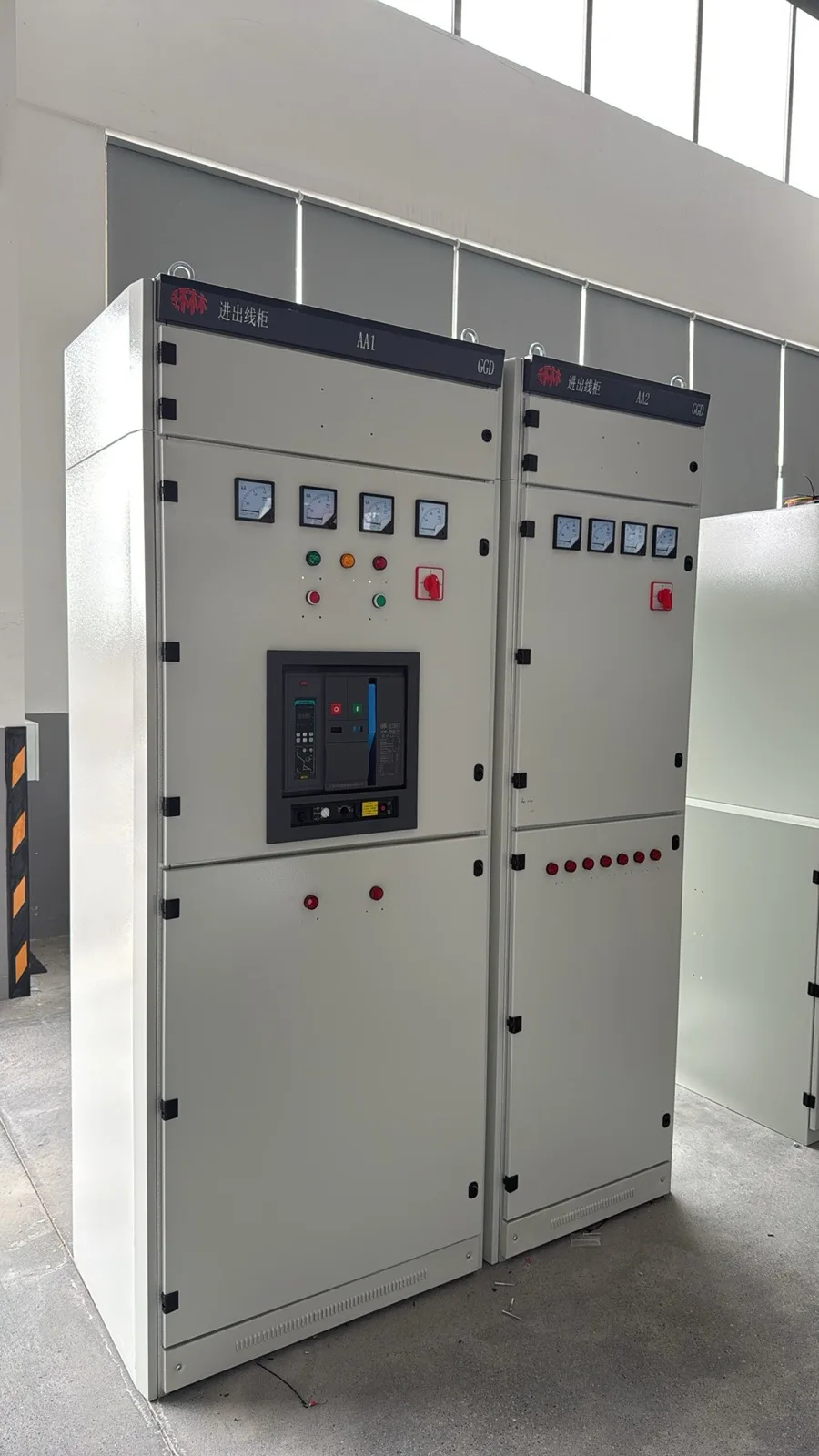
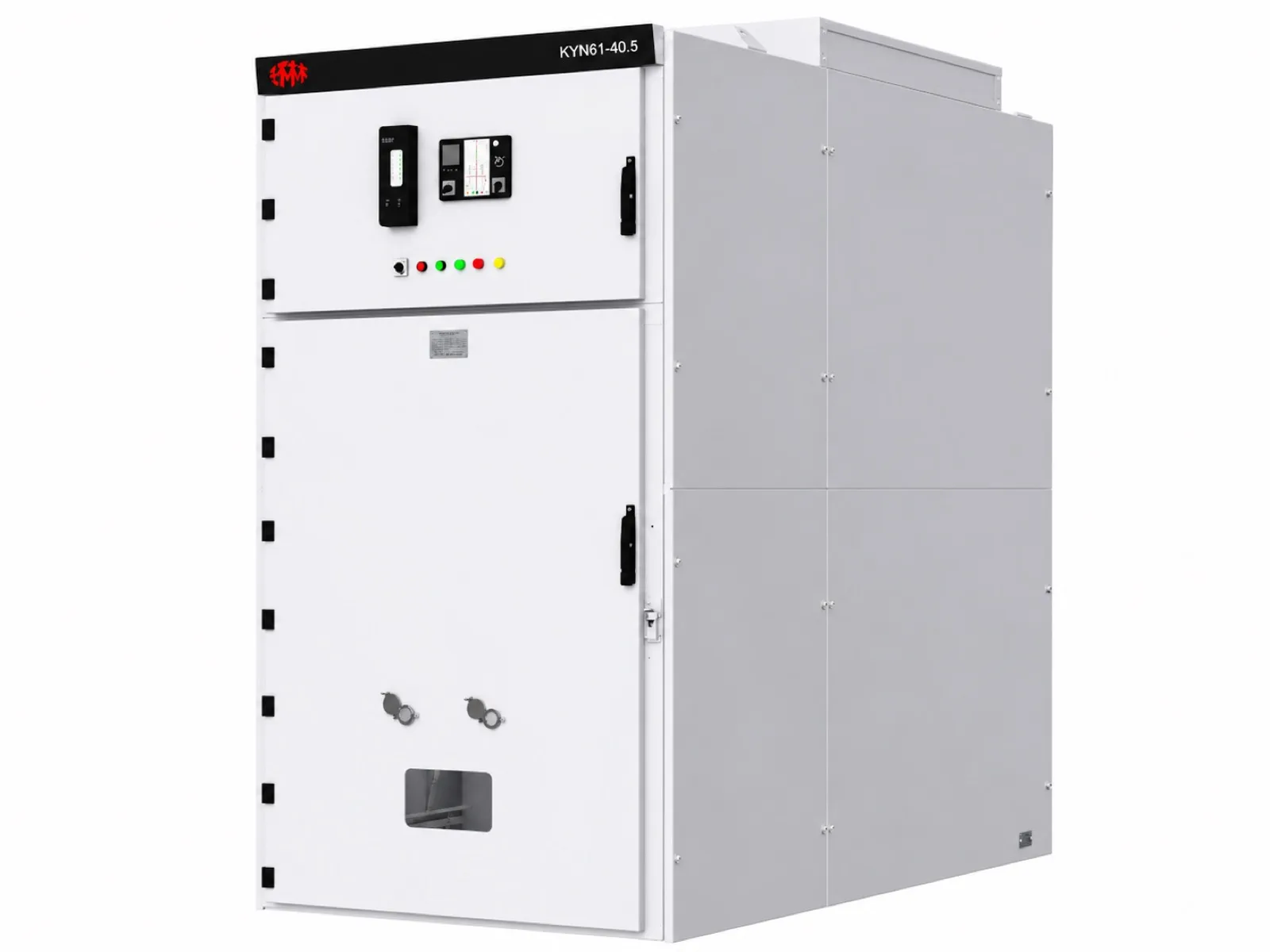
Switchgear is the general term for the assembly of circuit breakers, disconnectors, fuses, protection relays and instrument transformers used to control, protect and isolate electrical circuits. In primary distribution, "switchgear" usually refers to metal-clad or metal-enclosed panels built to IEC 62271-200, each typically with a withdrawable vacuum circuit breaker, full relay protection, and segregated compartments — designed to interrupt fault current and maintain individual circuits safely.
What Is a Ring Main Unit (RMU)?
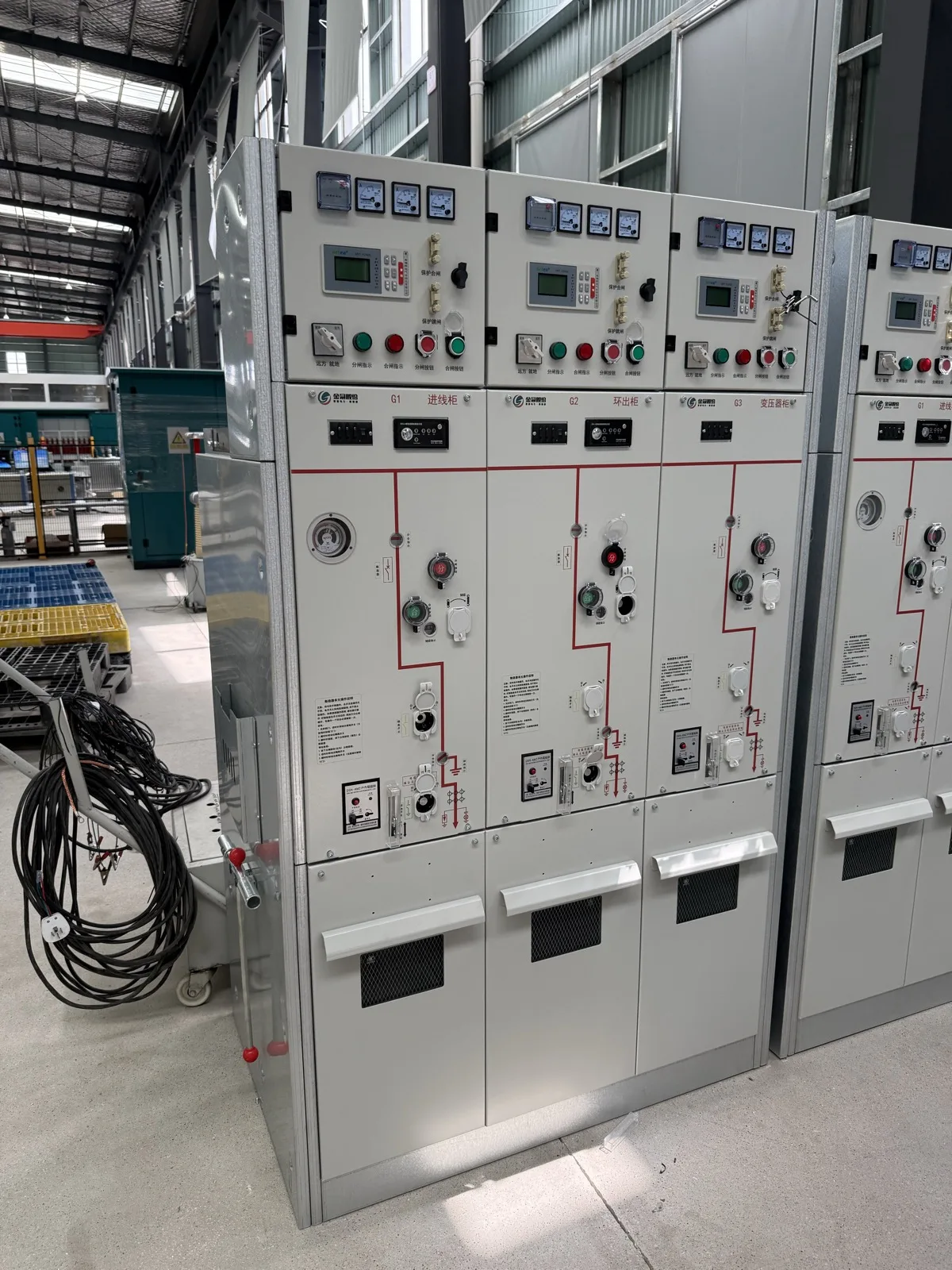
A ring main unit is a compact, sealed, factory-assembled switchgear unit used in secondary distribution. It connects to a distribution ring — two cable ways in and one or more transformer feeders out — using load-break switches for the ring and a fuse-switch or vacuum breaker for the transformer. Most modern RMUs are gas-insulated (SF6) or solid-insulated, sealed for life, and very compact, which makes them ideal for distribution substations, packaged substations and tight urban sites.
Key Differences Between Switchgear and RMU
- Role
- Switchgear (metal-clad): primary distribution & protection · RMU: secondary distribution ring switching
- Main device
- Switchgear: withdrawable vacuum circuit breaker · RMU: load-break switches + fuse/VCB on the transformer feeder
- Insulation
- Switchgear: usually air-insulated (AIS) · RMU: usually SF6 gas- or solid-insulated, sealed for life
- Footprint
- Switchgear: larger, extensible lineups · RMU: very compact, fixed configuration
- Protection
- Switchgear: full numerical relay protection · RMU: fuse protection or basic relay on the feeder
- Maintenance
- Switchgear: components accessible, breaker withdrawable · RMU: sealed, maintenance-free tank
- Cost
- Switchgear: higher per circuit · RMU: lower, cost-effective for ring switching
Applications: When to Use Switchgear vs RMU
- Use metal-clad switchgear at primary substations, industrial intakes and anywhere full protection, high fault duty and service continuity (maintaining one circuit live) are required.
- Use an RMU at secondary distribution substations, packaged/compact substations, and on distribution rings feeding one or two transformers.
- Use an RMU where space is tight and a sealed, maintenance-free unit is preferred (urban, coastal, unmanned sites).
- Combine both: an RMU feeding a transformer that supplies an LV board downstream of a primary switchgear lineup.
Ring Main Unit Diagram and Components (11 kV)
A typical 11 kV RMU single-line diagram shows three ways: two ring (incoming/outgoing) ways each with a load-break switch and earthing switch, and one transformer (tee-off) way with either a fuse-switch combination or a vacuum circuit breaker plus earthing switch. The main components are:
- Load-break switches — for the two ring cable ways, to route power through the ring.
- Fuse-switch combination or vacuum circuit breaker — protects the transformer feeder.
- Earthing switches — to earth each way for safe maintenance.
- SF6 or solid-insulated tank — sealed enclosure housing the switches and busbar.
- Cable connection chambers — for the ring and transformer cables.
- Operating mechanism and interlocks — manual or motorized, with anti-maloperation interlocks.
Selecting the Right Equipment for Your Project
- Define the role — protection and fault interruption (switchgear) vs ring switching and a single transformer feed (RMU).
- Match rated voltage, current and short-circuit withstand to the network.
- Consider space, environment (sealed RMU for harsh/coastal/urban sites) and future expansion.
- Weigh lifecycle cost — RMU for maintenance-free compactness, switchgear for flexibility and full protection.
- Confirm type-test evidence for the chosen ratings on either option.
Conclusion
An RMU is a compact, sealed switchgear for secondary ring distribution; metal-clad switchgear is the larger, fully protected assembly for primary distribution. Choosing between them is about the role, the fault duty, the space and the maintenance philosophy — not one being "better" than the other. HARRL manufactures both: metal-clad air-insulated MV switchgear (KYN series) and gas-/solid-insulated ring main units (HLXGN, SLG, HLC). Tell us your network and our engineers will recommend the right fit.