How to Select Metal-Clad Switchgear: A Technical Guide
Metal-clad switchgear is the most segregated form of metal-enclosed medium-voltage switchgear — defined by drawout breakers, grounded metal compartments, and automatic shutters. This guide explains what metal-clad means, how it differs from metal-enclosed, and the specifications to check when selecting it.
Specifying medium-voltage switchgear means choosing not just a voltage and current rating, but a construction class — and few choices matter more than whether the assembly is metal-clad. Metal-clad switchgear is the most rigorously segregated form of metal-enclosed switchgear, designed so that operators can isolate, test, and maintain a circuit breaker safely while the rest of the board stays energized. This guide walks through what metal-clad actually means, how it differs from the broader metal-enclosed family, and the technical criteria to weigh when selecting it for a project.
What Does Metal-Clad Switchgear Mean?
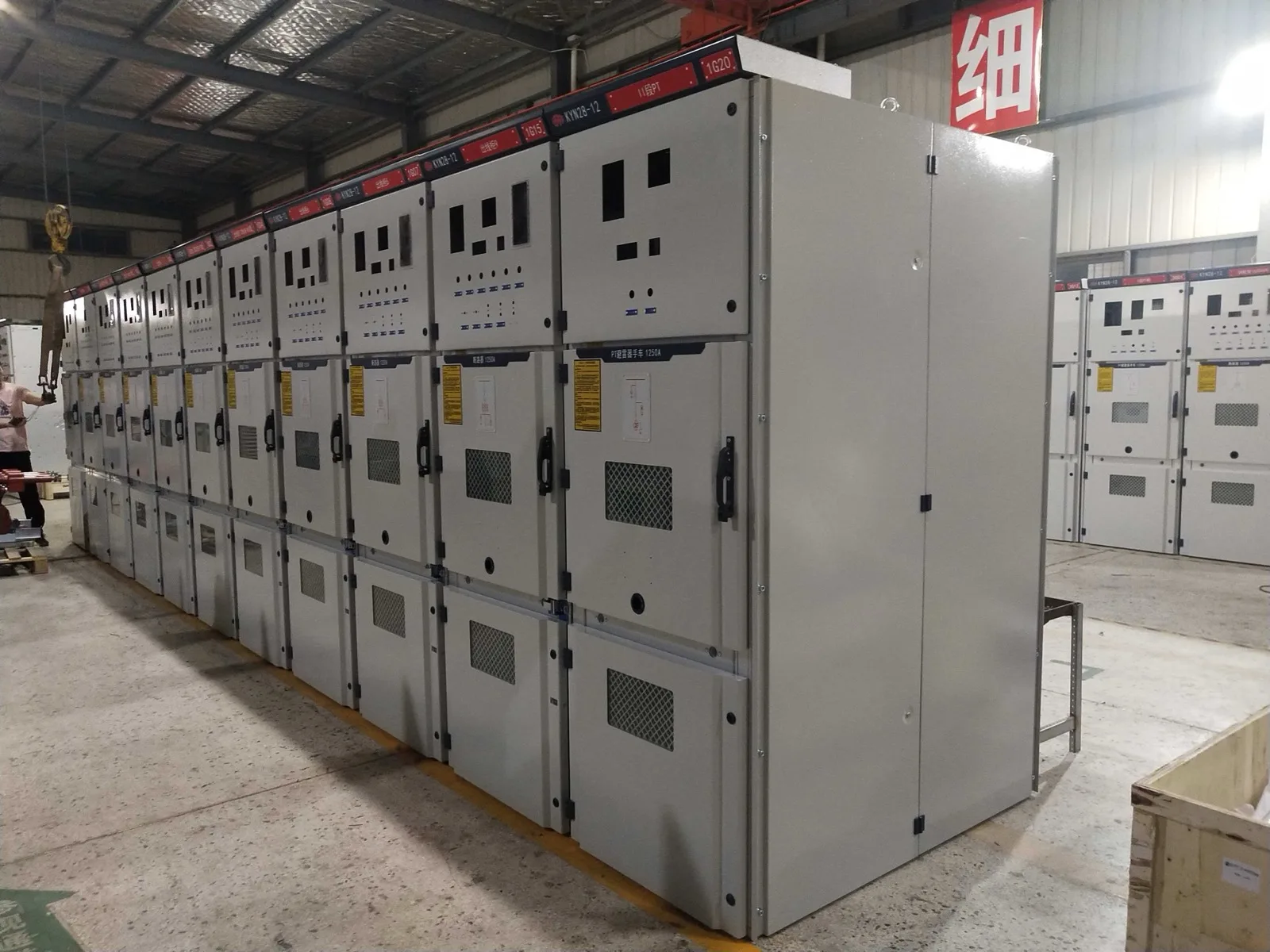
Metal-clad switchgear is a specific category of indoor metal-enclosed medium-voltage switchgear defined by international standards (notably IEC 62271-200 and IEEE C37.20.2). The defining characteristic is that every major primary component sits inside its own grounded, metal-walled compartment, and the main switching device — the circuit breaker — is of the removable (drawout / withdrawable) type rather than fixed.
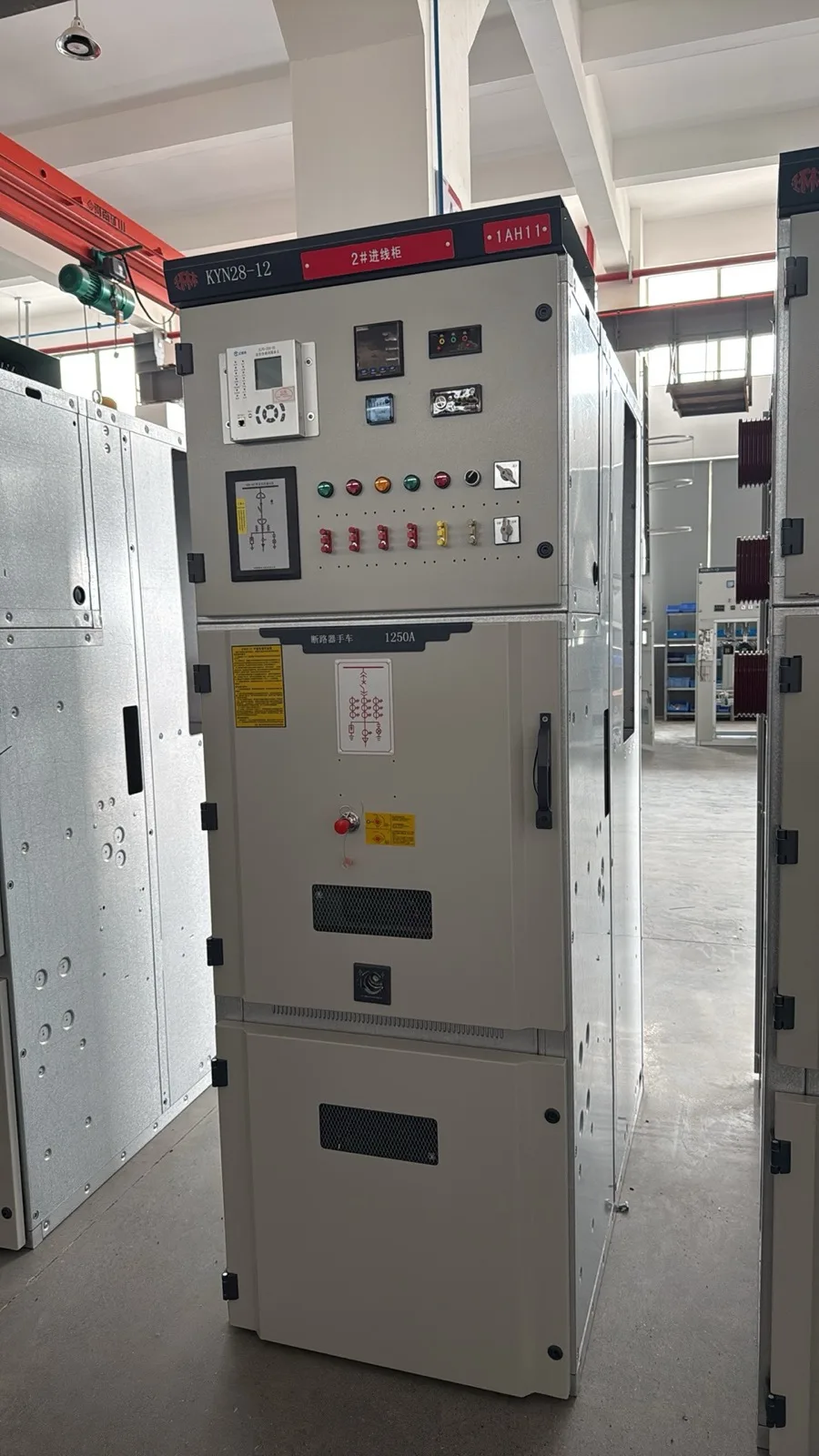
In practice, a metal-clad cabinet is divided into four independent compartments, each separated by earthed metal barriers:
- Busbar compartment — the main three-phase busbar running between panels
- Circuit-breaker compartment — houses the drawout vacuum circuit breaker truck
- Cable compartment — incoming/outgoing cables, CTs, and earthing switch
- Low-voltage (instrument) compartment — protection relays, metering, and control wiring
Two further features complete the definition: automatic metal shutters that cover the live busbar spouts whenever the breaker is withdrawn, and a five-prevention mechanical interlock system that enforces the correct operating sequence. Together these give metal-clad switchgear its hallmark — safe access to one circuit without de-energizing the whole switchboard.
Key Differences: Metal-Clad vs Metal-Enclosed Switchgear
This is the most common point of confusion. "Metal-enclosed" is the broad family that describes any switchgear housed in a grounded metal enclosure. Metal-clad is a subtype of metal-enclosed — the one with the highest degree of compartmentalization. Put simply: all metal-clad switchgear is metal-enclosed, but not all metal-enclosed switchgear is metal-clad.
- Compartmentation
- Metal-clad: every major part in its own grounded metal compartment · Metal-enclosed (non-clad): may share spaces or use insulating barriers
- Circuit breaker
- Metal-clad: removable / drawout type · Metal-enclosed: may be fixed-mounted
- Shutters
- Metal-clad: automatic metal shutters over live spouts · Metal-enclosed: not always required
- Service continuity (IEC 62271-200)
- Metal-clad typically meets LSC2B / PM · Lower classes (LSC1, LSC2A) common in non-clad designs
- Maintenance
- Metal-clad: isolate one circuit live · Non-clad: may require wider shutdown
The cost of metal-clad construction is higher, but so is the safety margin and the ability to keep supply running during maintenance — which is why utilities and critical industrial plants specify it for primary distribution.
Technical Specifications to Consider
Once you've decided on metal-clad construction, match these ratings to your network conditions:
- Rated voltage — 12 kV, 24 kV, or 40.5 kV classes for most primary distribution
- Rated current — busbar and feeder continuous current (e.g. 630–4000 A)
- Short-circuit / short-time withstand current — the through-fault level your network can deliver (e.g. 25, 31.5, 40 kA for 3 s)
- Internal arc classification — IAC AFLR rating and arc duration (e.g. 31.5 kA / 1 s) per IEC 62271-200 Annex A
- Insulation level — rated power-frequency and lightning-impulse withstand voltages
- Ingress protection (IP) and ambient/altitude derating for the installation site
- Circuit-breaker type — vacuum (VCB) is standard for indoor MV; confirm operating mechanism and rated operating sequence
Always cross-check the type-test reports against these figures — a compliant metal-clad panel ships with certified test evidence for each rating.
Application Scenarios and Industry Use Cases
Metal-clad switchgear is specified wherever operator safety and continuity of supply justify its cost:
- Utility primary substations and distribution networks
- Industrial plant intake and main distribution switchboards (steel, cement, mining, petrochemical)
- Renewable-energy collector and step-up stations for solar and wind farms
- Data centers, hospitals, airports, and other infrastructure where downtime is unacceptable
Installation and Maintenance Best Practices
- Provide adequate cable-trench and rear-access clearances per the panel drawings, plus pressure-relief routing for internal-arc venting
- Verify earthing continuity across all compartments and the main earth bar before energization
- Use the racking mechanism to move the breaker between service, test, and isolated positions — never bypass the interlocks
- Keep tested spare breaker trucks on hand; their interchangeability is the main reason metal-clad reduces mean time to repair
- Follow a periodic maintenance schedule: contact resistance checks, vacuum-interrupter integrity tests, and shutter/interlock function checks
Conclusion and Selection Criteria
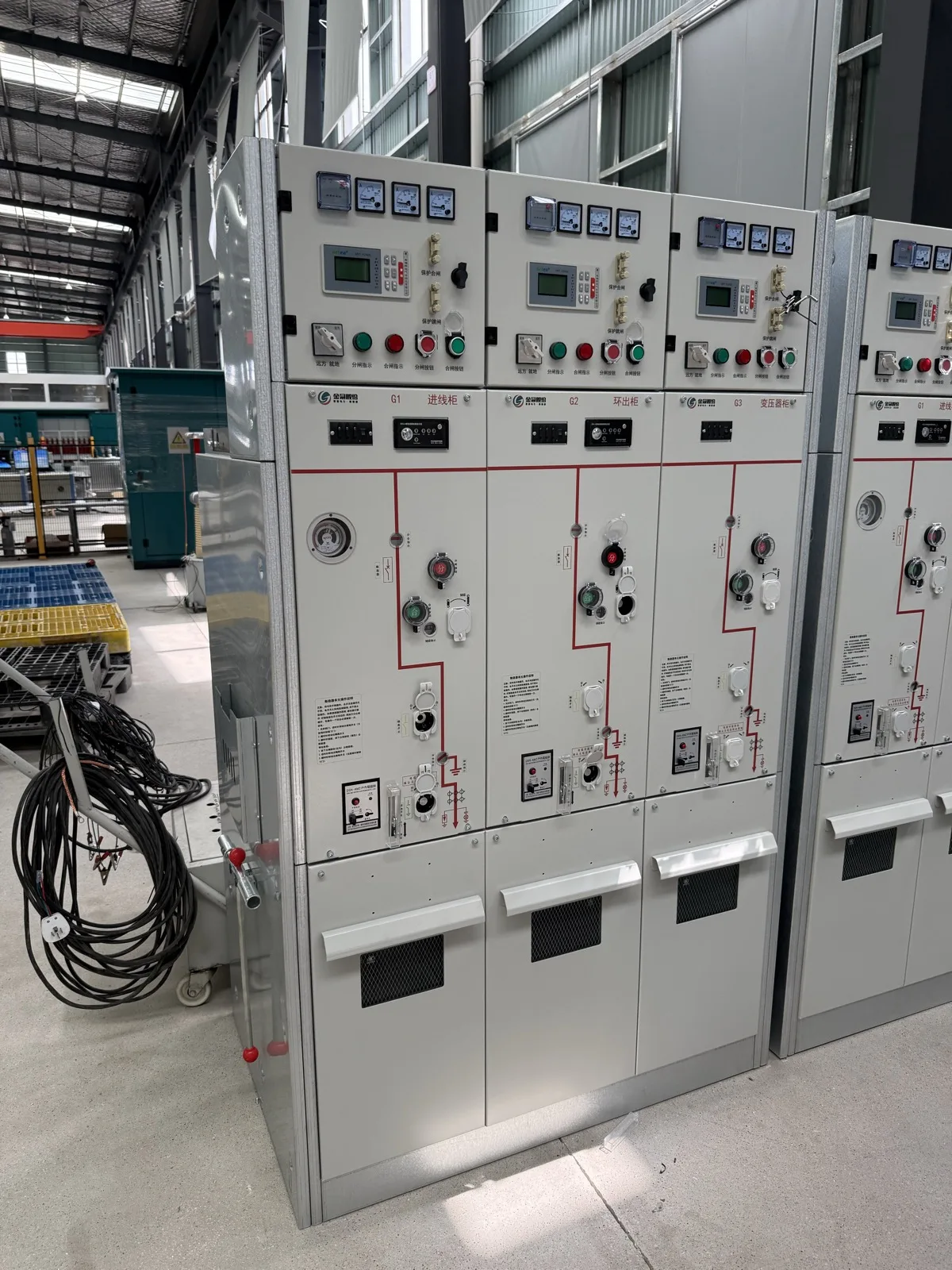
Choose metal-clad switchgear when you need maximum personnel safety, fault containment, and the ability to maintain individual circuits without a full shutdown. Confirm the voltage, current, and short-circuit ratings against your network, check the internal-arc classification and type-test evidence, and make sure the drawout breaker trucks are standardized for easy sparing. For secondary distribution where those demands are lower, a compact metal-enclosed ring main unit may be the more economical fit.
HARRL manufactures metal-clad withdrawable switchgear across the 12 / 24 / 40.5 kV classes (the KYN series) with full type-test documentation. If you'd like help matching a model to your single-line diagram and fault levels, our engineering team can review your specification and recommend a configuration.