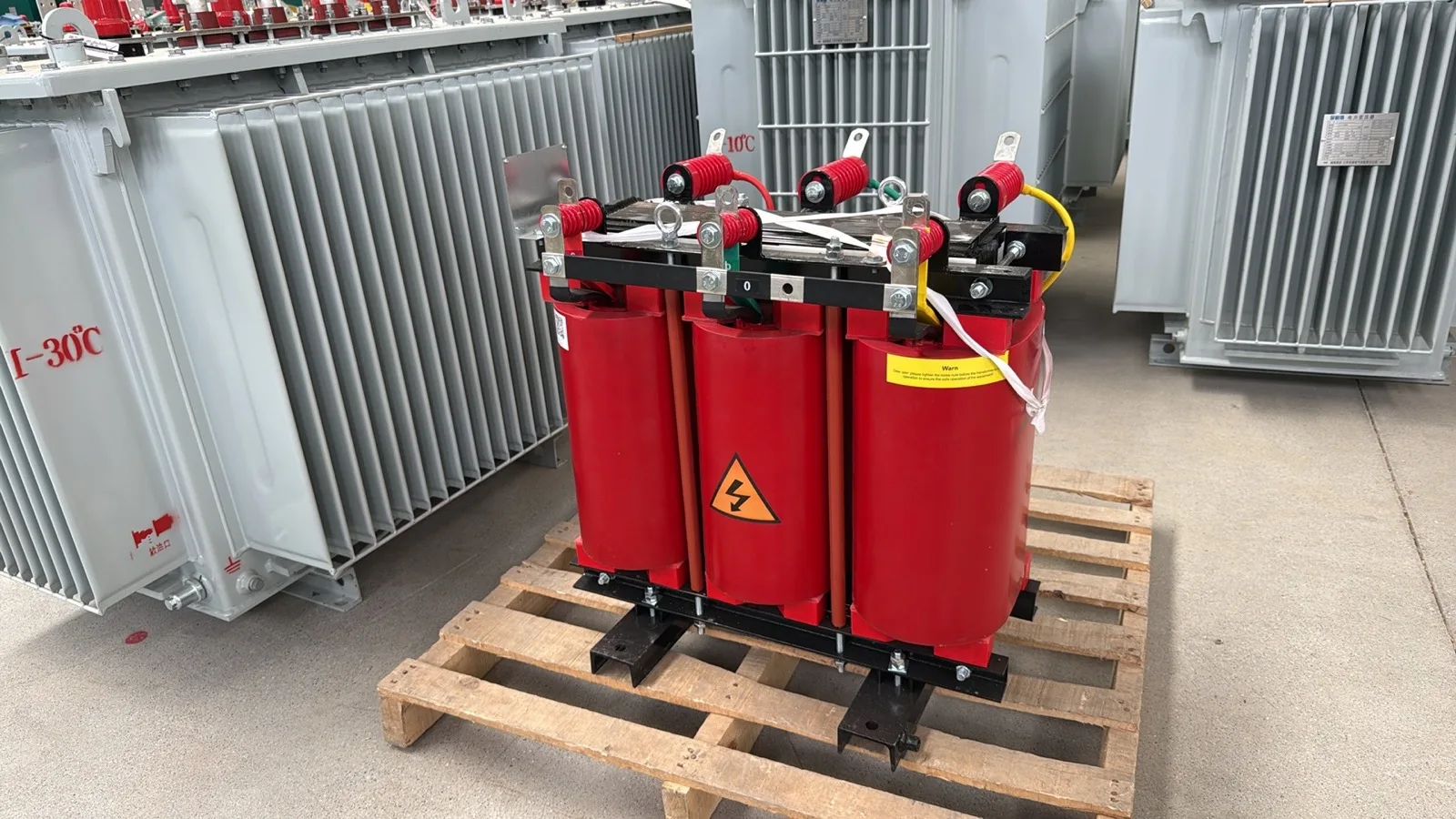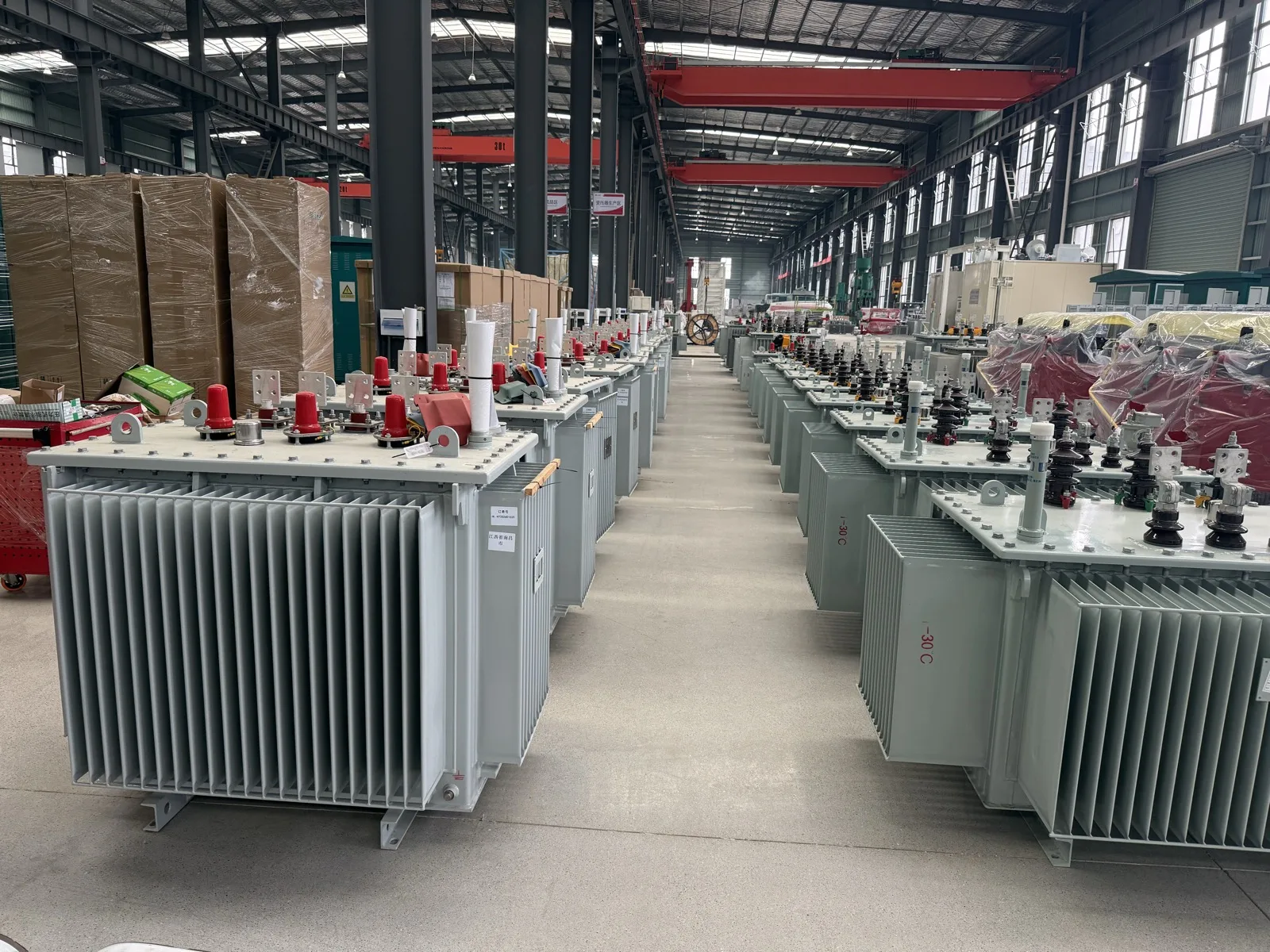
What Is an ONAN Transformer? Meaning, Cooling System, and Ratings Explained
ONAN explained — its full form and meaning, how the oil-natural air-natural cooling system works, why oil is used as both insulant and coolant, typical ratings, the trade-offs versus ONAF / OFAF / ODAF cooling, and where ONAN transformers fit in Middle East distribution networks.
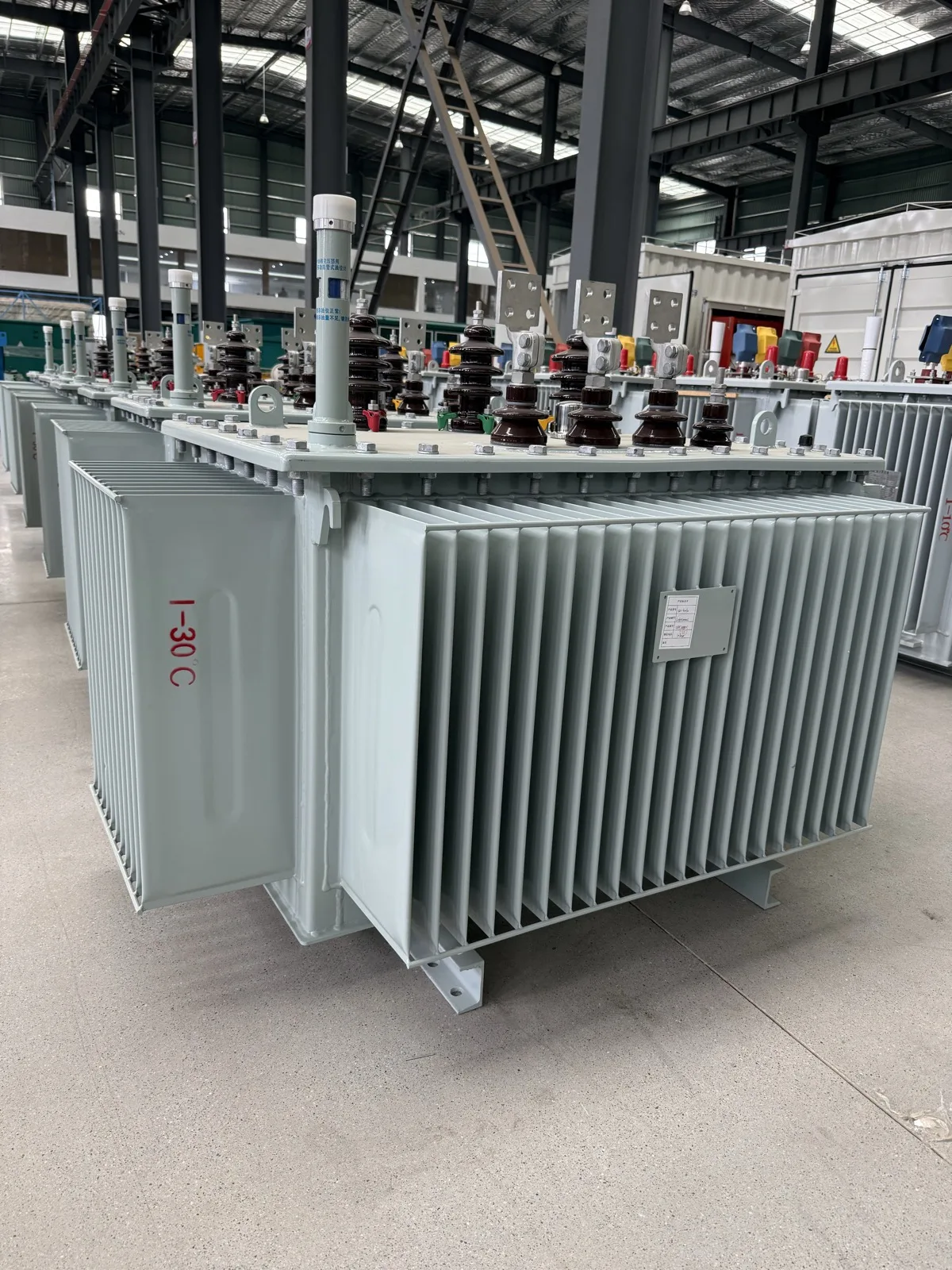
If you have read an oil-immersed transformer nameplate, you have seen a cooling code such as ONAN, ONAF or OFAF. ONAN is the most common and the simplest of these — the natural, fan-free cooling method used on the majority of distribution and small power transformers. This guide explains what ONAN stands for, how its cooling system moves heat out of the tank, why oil is used as both insulant and coolant, the typical ratings, the trade-offs against forced-cooling methods, and where ONAN transformers fit — including in hot Middle East climates.
What Does ONAN Stand For? Full Form and Meaning
ONAN is a four-letter cooling-class code defined by the IEC 60076-2 standard. Each pair of letters describes one cooling circuit — the internal medium that touches the windings, and the external medium that carries heat to the surroundings:
- O — Oil
- Internal cooling medium: mineral (or ester) oil in contact with the windings and core
- N — Natural
- Internal oil circulation is natural (thermosiphon) — driven by heat, no pump
- A — Air
- External cooling medium: ambient air over the tank and radiators
- N — Natural
- External air flow is natural convection — no fans
So ONAN means Oil Natural, Air Natural: oil circulates by natural convection inside, and air cools the radiators by natural convection outside. There are no pumps and no fans — the transformer cools itself purely by physics, which is why ONAN is so reliable and maintenance-light. (In the older IEC code, the same class was written ONAN as well; ANSI/IEEE calls the equivalent class OA.)
How the ONAN Cooling System Works
ONAN cooling is a closed natural-convection loop — a thermosiphon:
- Heat from the core and windings (from no-load and load losses) warms the surrounding oil.
- Warm oil expands, becomes less dense, and rises to the top of the tank.
- It flows out into the radiators / cooling tubes on the tank sides.
- Ambient air over the radiator fins carries the heat away, so the oil cools and becomes denser.
- The cooled, denser oil sinks back to the bottom of the tank and re-enters the windings — and the cycle repeats continuously.
Radiators, fins and corrugated tank walls simply increase the surface area available for this natural air convection. Because nothing is forced, the heat-removal rate rises and falls automatically with load and ambient temperature — the hotter it gets, the faster the oil circulates.
Oil as a Cooling Medium in ONAN Transformers
Transformer oil does two jobs at once, which is why it is central to the ONAN class:
- Insulation — the oil has high dielectric strength and fills the gaps between windings, leads and the tank, reinforcing the solid insulation.
- Heat transfer — its low viscosity and good thermal capacity let it pick up winding heat and carry it to the radiators by natural circulation.
- Protection — by excluding air and moisture, the oil slows oxidation and ageing of the paper insulation.
- Diagnostics — dissolved-gas analysis (DGA) of the oil reveals incipient faults such as overheating or partial discharge long before failure.
Mineral oil is standard, but synthetic and natural ester fluids are increasingly used where a higher fire point or better biodegradability is required. Whatever the fluid, its condition — moisture content, dielectric strength and acidity — directly governs both the insulation integrity and the cooling performance.
ONAN Transformer Ratings and Specifications
ONAN is the base (100%) rating of an oil-immersed transformer — the continuous output it can deliver on natural cooling alone. Many transformers carry a dual rating where adding fans (ONAF) lifts the capacity above the ONAN base:
- Base rating
- ONAN defines the nameplate kVA/MVA achievable with natural oil & air cooling only
- Dual rating (e.g. ONAN/ONAF)
- Fans can add roughly 25–33% capacity above the ONAN base on larger units
- Typical scope
- Distribution and small/medium power transformers, commonly up to a few tens of MVA
- Temperature rise
- Designed to standard limits (e.g. 65 °C average winding rise) at the rated ambient per IEC 60076-2
- Governing standard
- IEC 60076 series — including IEC 60076-2 for temperature rise and cooling classes
Advantages and Limitations of ONAN Cooling
Advantages:
- No fans or pumps — high reliability, no auxiliary power, and very low maintenance.
- Silent operation — no fan noise, ideal for residential and noise-sensitive sites.
- Lower lifecycle cost — fewer moving parts to fail or service.
- Self-regulating — cooling tracks load and ambient automatically.
Limitations:
- Lower heat-removal capacity than forced cooling, so a larger radiator surface (and physical size) is needed for a given rating.
- Capacity is limited — beyond a certain size, forced cooling (ONAF/OFAF/ODAF) becomes necessary.
- Performance falls in very high ambient temperatures unless the unit is derated or oversized for the climate.
ONAN vs Other Transformer Cooling Methods
- ONAN
- Oil natural, air natural — no fans/pumps; base rating of most distribution units
- ONAF
- Oil natural, air forced — fans on the radiators boost capacity above the ONAN base
- OFAF
- Oil forced, air forced — oil pumps plus fans for larger power transformers
- ODAF
- Oil directed, air forced — pumped oil is directed through the windings for the highest ratings
- AN (dry-type)
- Air natural — a dry-type transformer with no oil at all (different insulation system)
The progression ONAN → ONAF → OFAF → ODAF trades simplicity and reliability for ever-higher cooling capacity. ONAN is chosen wherever its natural-cooling rating is sufficient, because it is the most robust and lowest-maintenance option.
Applications of ONAN Transformers in the Middle East
Across the Gulf and wider Middle East, ONAN transformers are widely used in utility and industrial distribution because their fan-free reliability suits remote and unmanned sites where dust and heat make moving parts a liability. The key design point is climate: with summer ambients well above the standard 40 °C reference, ONAN units for the region are typically specified with a higher reference ambient and/or oversized radiators (or a dual ONAN/ONAF rating) so the rated output is maintained without overheating. Typical uses include:
- Utility 33/11 kV and 11/0.4 kV distribution substations
- Oil, gas and petrochemical facilities and remote pumping stations
- Solar PV plants and renewable collector substations in desert conditions
- Packaged / prefabricated substations and compact secondary substations for new developments
Maintenance Tips for ONAN Transformers
- Sample and test the oil periodically — dielectric strength, moisture, acidity, and dissolved-gas analysis (DGA) to catch incipient faults.
- Keep radiators and fins clean — dust and sand build-up directly reduces natural-convection cooling, especially in desert climates.
- Check oil level and the conservator/breather — replace silica-gel desiccant before it is saturated to keep moisture out.
- Monitor top-oil and winding temperatures and inspect for leaks at gaskets, radiators and valves.
- Verify protection devices — Buchholz relay, pressure-relief device, and temperature indicators — at scheduled intervals.
Conclusion and Key Takeaways
ONAN — Oil Natural, Air Natural — is the simplest and most reliable cooling class for oil-immersed transformers: oil carries heat from the windings to the radiators by natural convection, and ambient air removes it, all without fans or pumps. It sets the base rating of most distribution transformers, runs silently, and needs little maintenance, at the cost of a larger physical size and the need to derate or oversize for very hot climates. HARRL manufactures oil-immersed distribution transformers (S22 / S20 / S13) with ONAN and dual ONAN/ONAF cooling, and can tailor the cooling and ambient rating for high-temperature environments such as the Middle East. Send us your ratings, voltages and site conditions and our engineers will help you specify the right unit.